Glock 17 vs Glock 19: Size, Capacity & Which One to Buy
Glock 17 vs Glock 19: The Definitive Side-by-Side Comparison
Choosing between a Glock 17 and a Glock 19 is one of the most common dilemmas for new gun owners and experienced shooters alike. This Glock 17 vs Glock 19 debate isn’t about which is objectively better, but which is better for *you*. Both are legendary for their reliability and have formed the backbone of countless police departments, military units, and civilian holsters worldwide. The core of the decision comes down to balancing size, capacity, and intended use. We’re going to strip away the hype and look at the hard facts, the feel in the hand, and the real-world performance to help you decide.
Specifications at a Glance
| Specification | Glock 17 (Gen 5) | Glock 19 (Gen 5) |
|---|---|---|
| Caliber | 9x19mm | 9x19mm |
| Barrel Length | 4.49 inches | 4.02 inches |
| Overall Length | 8.03 inches | 7.36 inches |
| Height (with mag) | 5.47 inches | 5.04 inches |
| Width | 1.34 inches | 1.34 inches |
| Weight (unloaded) | 24.87 oz | 23.65 oz |
| Standard Magazine Capacity | 17 rounds | 15 rounds |
| Frame Size | Full-Size | Compact |
Breaking Down the Key Differences
Size and Concealability
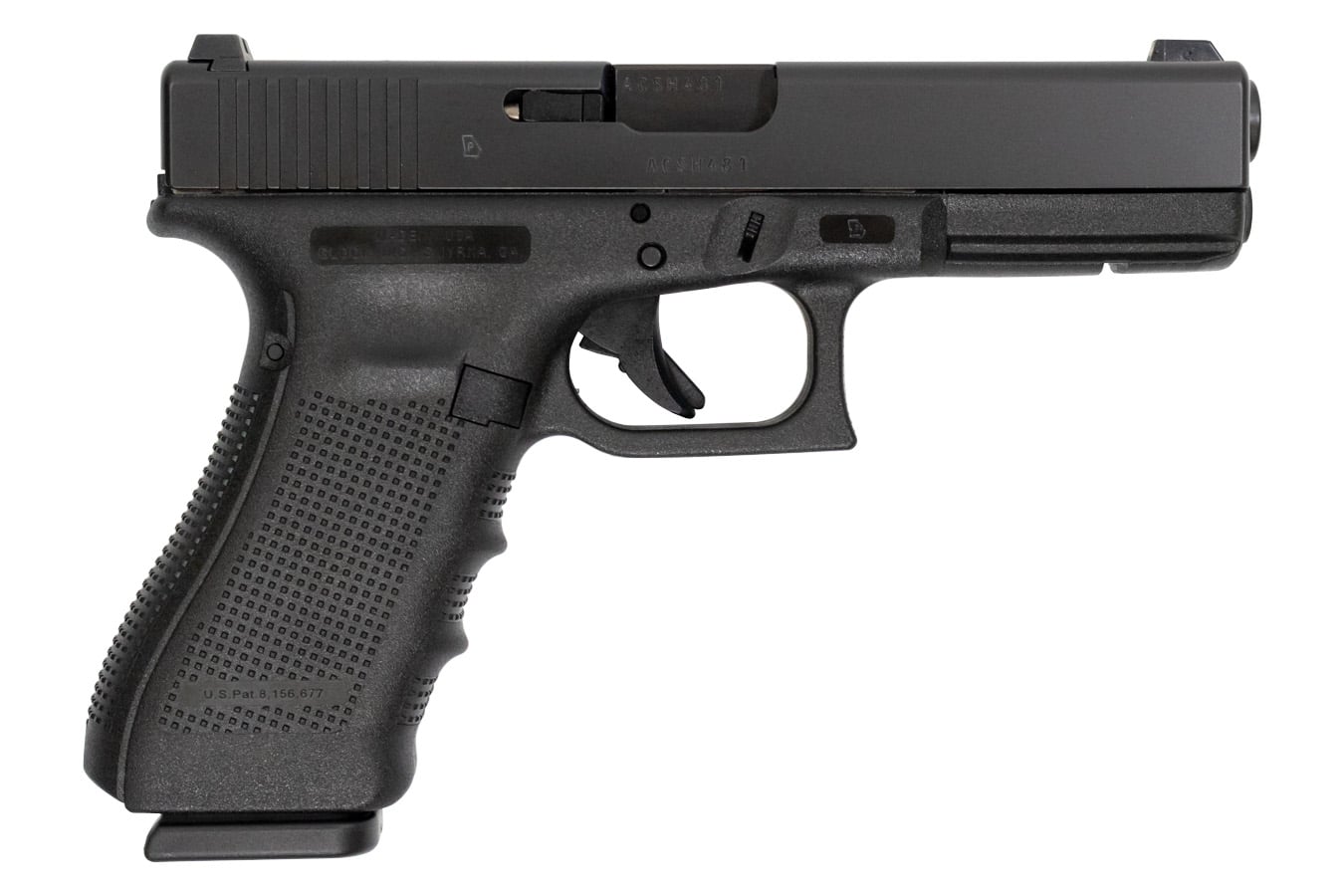
The Glock 17 vs 19 size difference is the most critical factor for most buyers. The Glock 17 is a full-size duty pistol. Its longer grip and slide make it an excellent shooter, providing a full, natural grip for most hands and a longer sight radius. However, that full-size frame makes it more challenging to conceal, especially for those with smaller builds or who prefer tighter clothing. Printing (the outline of the gun showing through clothing) is a more frequent concern.
The Glock 19 is a compact pistol, designed as the perfect middle ground. The half-inch shorter barrel and significantly shorter grip reduce its overall footprint just enough to make a substantial difference in concealment. The shorter grip is often the key, as it’s the part most likely to print. For everyday concealed carry, the Glock 19’s dimensions are, for many, the sweet spot between shootability and concealability.
Ergonomics and Feel in the Hand
This is subjective but important. The Glock 17’s full-length grip allows all fingers to find a natural resting place without crowding. Shooters with larger hands often prefer this, as the pinky has a solid purchase on the grip. The longer slide can also aid in a smoother presentation from the holster for some.
The Glock 19’s shorter grip means shooters with medium to large hands will have their pinky either partially on or completely off the grip with the standard magazine. This isn’t a deal-breaker—control is still excellent—but it’s a noticeable feel. Using a Glock 17 magazine with a sleeve or a factory +2 basepad on a Glock 19 mag solves this, turning the 19 into a “17 compact.” For shooters with small to medium hands, the Glock 19 often feels like it was made for them.
Shootability and Accuracy
Both pistols are more accurate than 99% of the people holding them. The Glock 17 has a slight theoretical advantage due to its longer sight radius (the distance between the front and rear sights). A longer sight radius can make it easier to achieve precise sight alignment, which can translate to better accuracy, especially at distance or for slow-fire bullseye shooting. The slightly longer barrel also provides a minuscule velocity increase.
In practical, defensive-style shooting—rapid shots at 7-25 yards—you will be hard-pressed to see a performance difference. The Glock 19’s slightly shorter slide can make for a marginally faster cycle time, but this is splitting hairs. The real-world accuracy difference for a trained shooter is negligible. The shooter’s skill, grip, and trigger control are far greater factors than the half-inch of barrel.
Reliability and Durability
This is a tie. Both pistols are built to the same legendary Glock standard. They share the same Simple Safe Action trigger system, the same Tenifer/Melonite finish, and the same rugged polymer frame construction. You can expect identical, bomb-proof reliability from either model. They will eat the same diet of ammunition, tolerate neglect, and fire when you need them to. There is no durability edge given to the larger model; the Glock 19 is not a “cut-down” 17, but a purpose-built compact that is just as robust.
Price and Aftermarket Support
Price is virtually identical. You might find one model $20-50 cheaper than the other on any given day due to sales and inventory, but there is no consistent price gap. They are priced as peers.
Aftermarket support is the best in the industry for both. Every holster maker, sight manufacturer, and parts vendor supports the Glock 17 and 19. That said, the Glock 19 often has a *slight* edge in holster variety due to its immense popularity as a carry gun. You’ll find every conceivable carry option for the 19. While the 17 is also supremely well-supported, some ultra-compact or niche holster designs might be offered for the 19 first. For parts like triggers, barrels, and slides, the support is equal.
Pros and Cons Summary
Glock 17 Pros & Cons
- Pros: Superior grip for large hands, higher standard capacity (17+1), longer sight radius, softer felt recoil due to size/weight, ideal for home defense and competition.
- Cons: More difficult to conceal, can feel bulky for smaller shooters, less versatile for all-day carry.
Glock 19 Pros & Cons
- Pros: Excellent balance of size and capacity, easier to conceal, more versatile (can serve as both a duty and primary carry gun), fits a wider range of hand sizes.
- Cons: Grip may be short for large hands (fixable with mag extensions), two fewer rounds than the 17, slightly snappier recoil impulse.
Who Should Buy Which?
Buy the Glock 17 if: Your primary use is home defense, duty, or competition. If you have larger hands and the full grip is a must for comfort and control. If concealment is a secondary or occasional concern, or if you are a larger-framed individual for whom concealing a full-size gun isn’t an issue. It’s also the classic choice if you simply prefer the feel and shootability of a full-size pistol on the range.
Buy the Glock 19 if: Concealed carry is your primary goal. You want one pistol that can do it all reasonably well: home defense, carry, training, and even some competition. You have small to medium-sized hands, or you value versatility above all else. The Glock 19 is often called the “Goldilocks Glock” for a reason—it’s just right for a massive number of people and situations.
Final Verdict
After thousands of rounds through both platforms, the choice crystallizes around role. The Glock 17 vs 19 comparison isn’t a battle with a clear winner, but a selection of the right tool.
For a dedicated, do-everything handgun that will live in a holster more than in a safe, the Glock 19 is the champion of versatility. Its compact dimensions make daily carry a realistic proposition without a significant sacrifice in capacity or shootability. It is the default recommendation for a first and only Glock because it excels in the most roles.
The Glock 17 is the specialist. It is the superior range gun, home defender, and duty weapon. If your shooting is focused on performance and comfort, and concealment is not the driving factor, the 17’s full-size ergonomics and slight ballistic advantages make it the more shootable platform.
You cannot make a bad choice. Handle both if you can. Rent them at a range. The one that feels like an extension of your hand and fits your lifestyle is the right Glock for you.
Frequently Asked Questions (FAQ)
Can I use Glock 17 magazines in a Glock 19?
Yes, absolutely. Glock 17 (and even the larger 18-round or 33-round) magazines will function perfectly in a Glock 19. They will protrude from the mag well, giving you a full-size grip and extra capacity. This is a huge advantage for the 19, allowing it to transform into a “17 Compact” for home defense or as a spare magazine.
Is the Glock 19 significantly easier to conceal than the Glock 17?
For most people, yes. The shorter grip is the key. Since the grip is the part that typically prints against your shirt, reducing its height by nearly half an inch makes a noticeable difference, especially with inside-the-waistband carry. The shorter slide also aids in comfort when sitting for long periods.
Which one has less recoil?
The Glock 17, but the difference is subtle. Its slightly greater mass and longer slide/barrel combination help dampen the recoil impulse, making it feel a touch softer and flatter shooting than the Glock 19. The 19 is by no means harsh—it’s a very mild-recoiling 9mm—but side-by-side, the 17 has a slight edge.
Is the Glock 19 just as reliable as the Glock 17?
Without a doubt. The Glock 19 is not a modified or compromised version of the 17. It is its own model, engineered from the ground up to the same uncompromising reliability standards. Its track record in military (as the MHS entry) and law enforcement use is identical to the full-size 17.
I’m new to shooting. Which is better for a beginner?
Both are excellent, but the Glock 17 is often slightly more beginner-friendly. The larger grip is easier to hold onto properly, and the softer recoil can help new shooters build confidence. However, if the new shooter intends to carry immediately, the Glock 19’s versatility makes it the better long-term choice. The best advice is to try both.